
O sertão é do tamanho do mundo.
The sertão is the size of the world.
— João Guimarães Rosa, Grande Sertão: Veredas
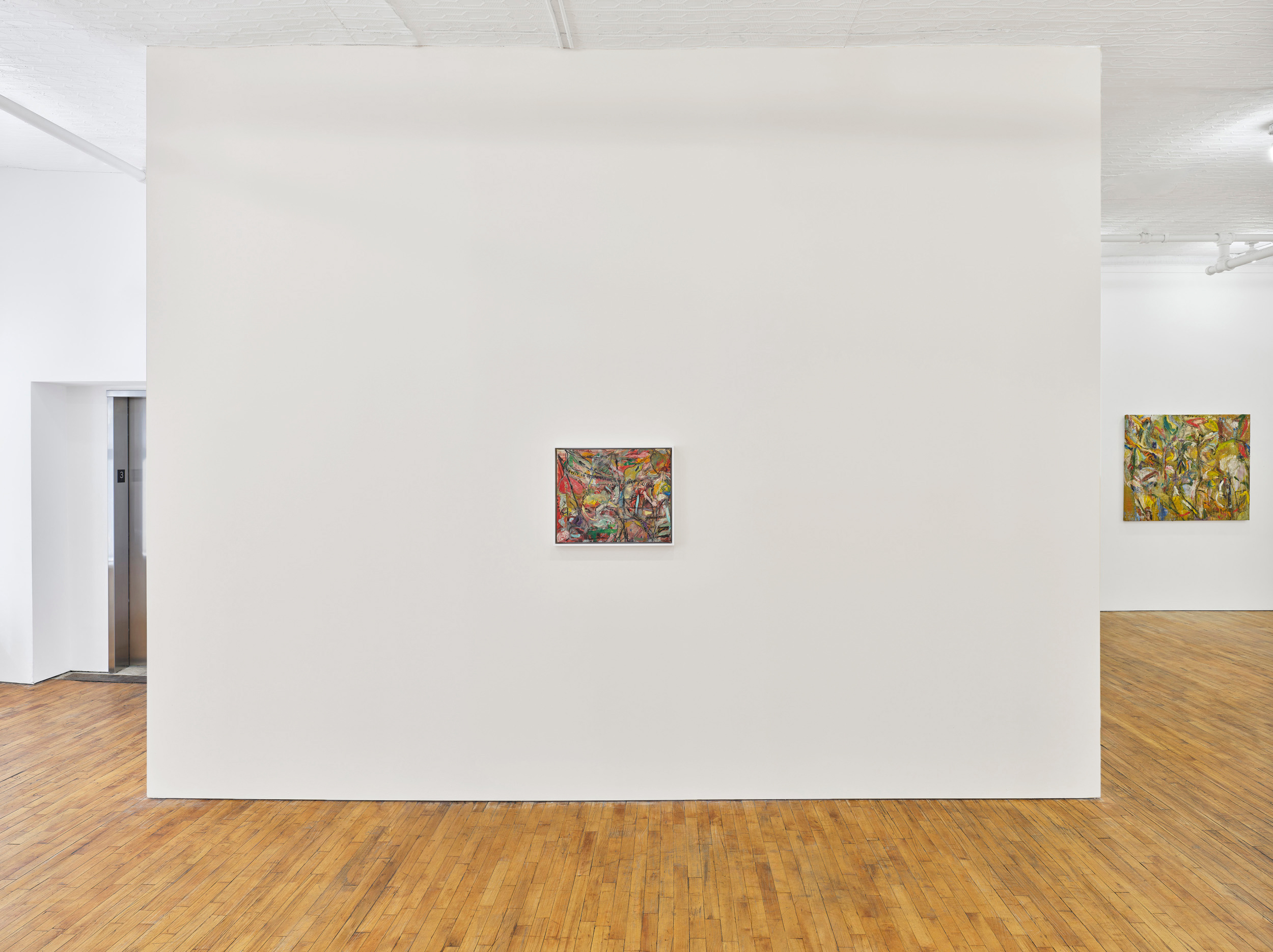
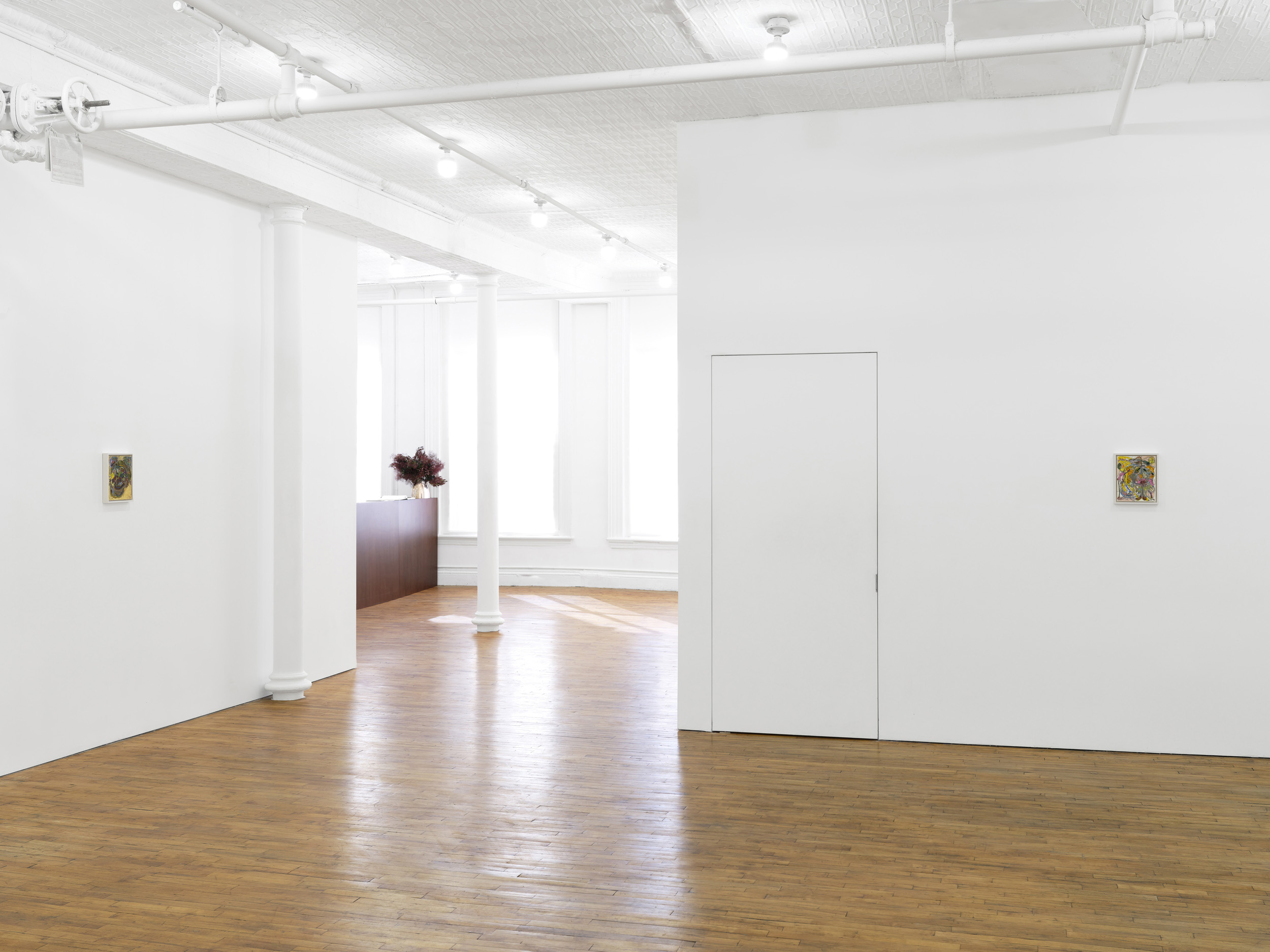
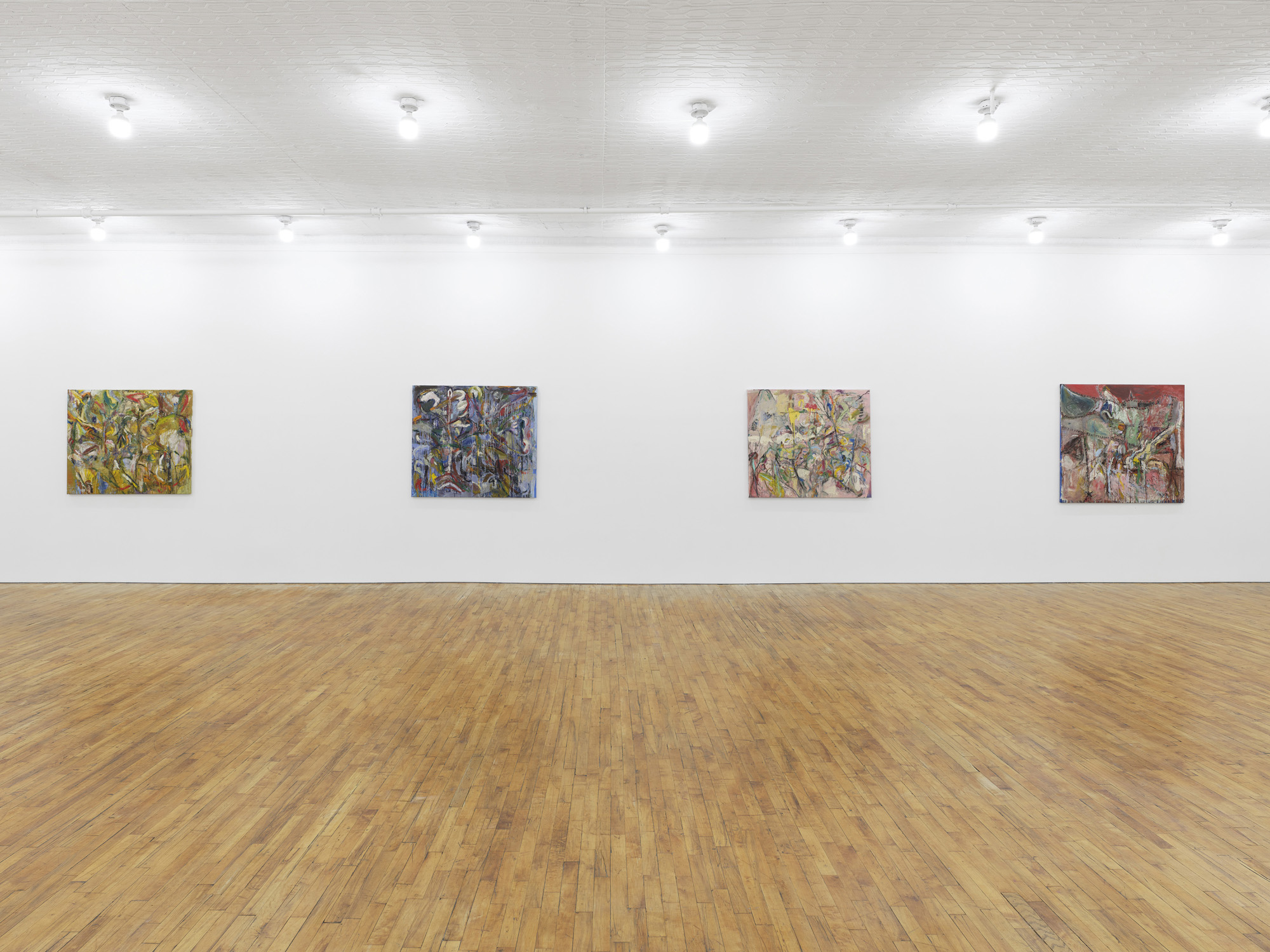
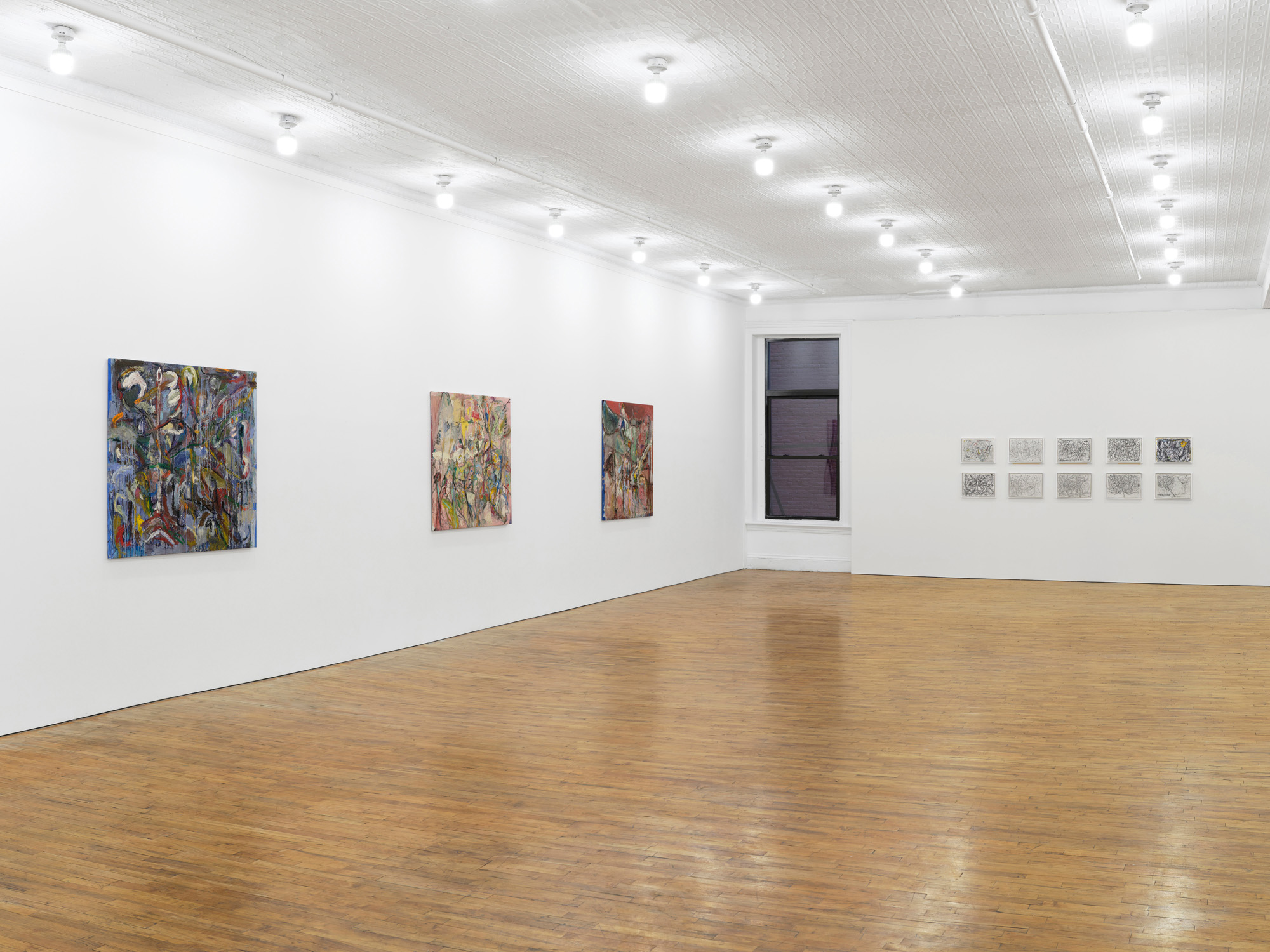
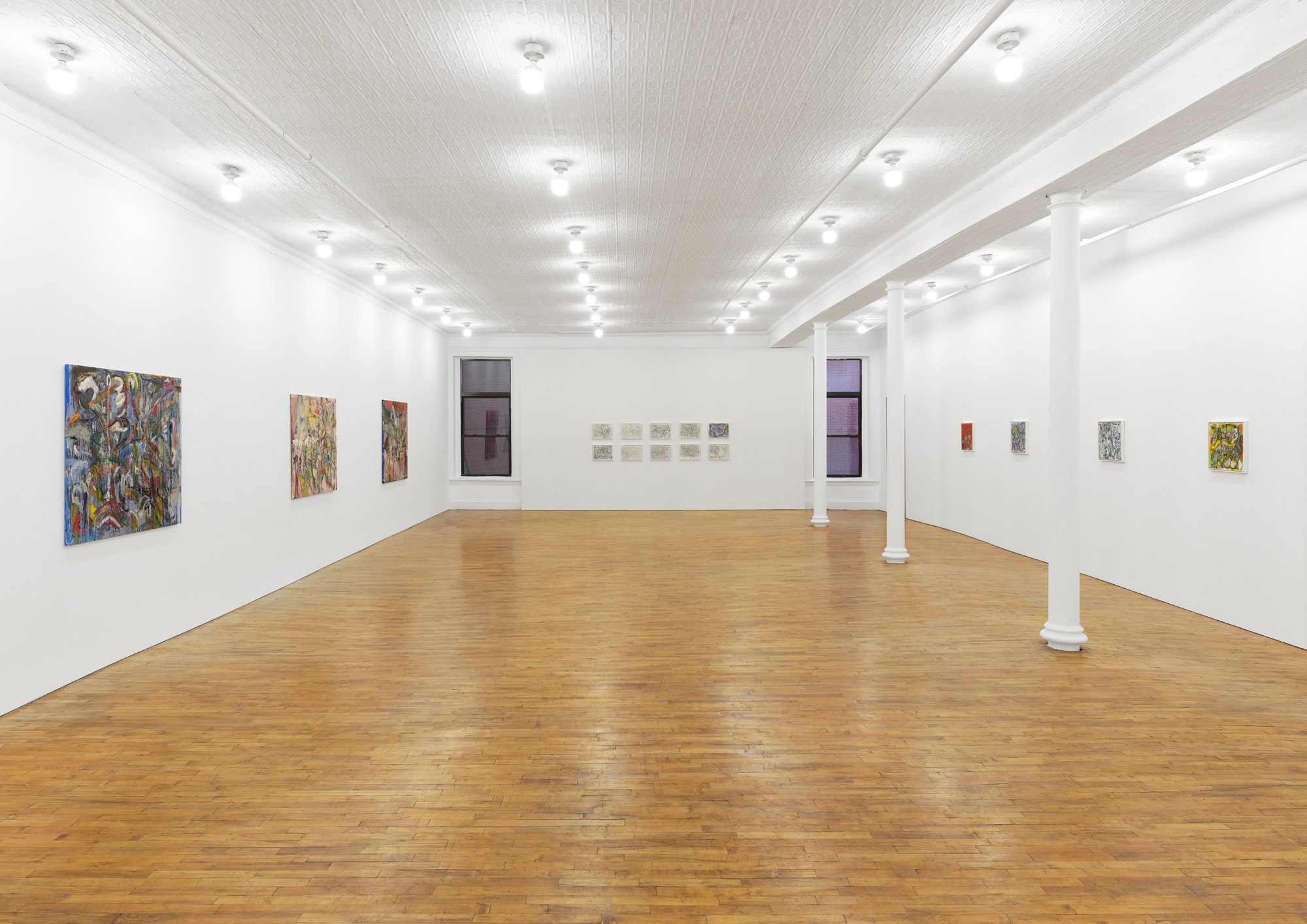
Tara Downs is pleased to present Estranhas luzes no bosque, Lu Ferreira’s second solo exhibition at the gallery.
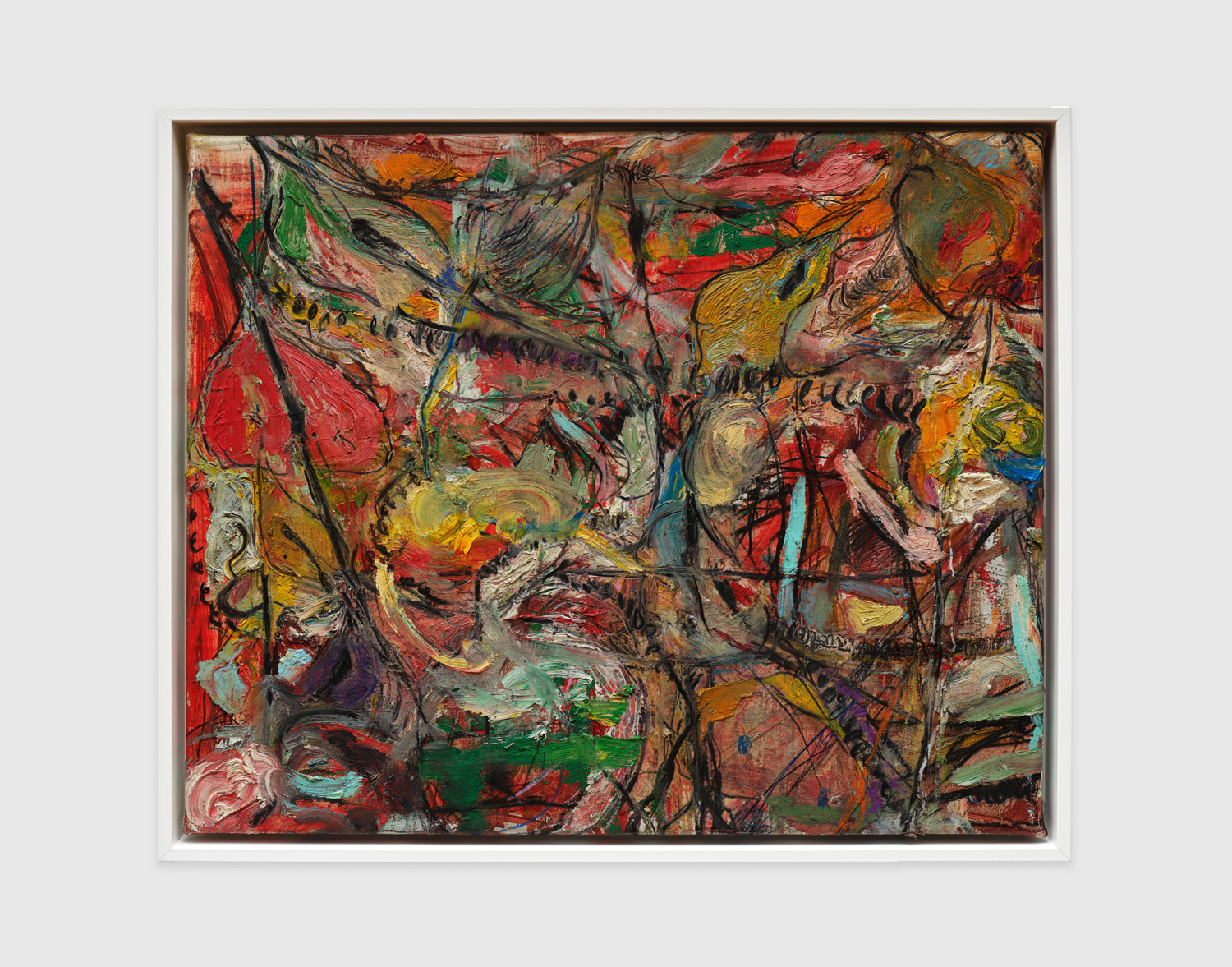
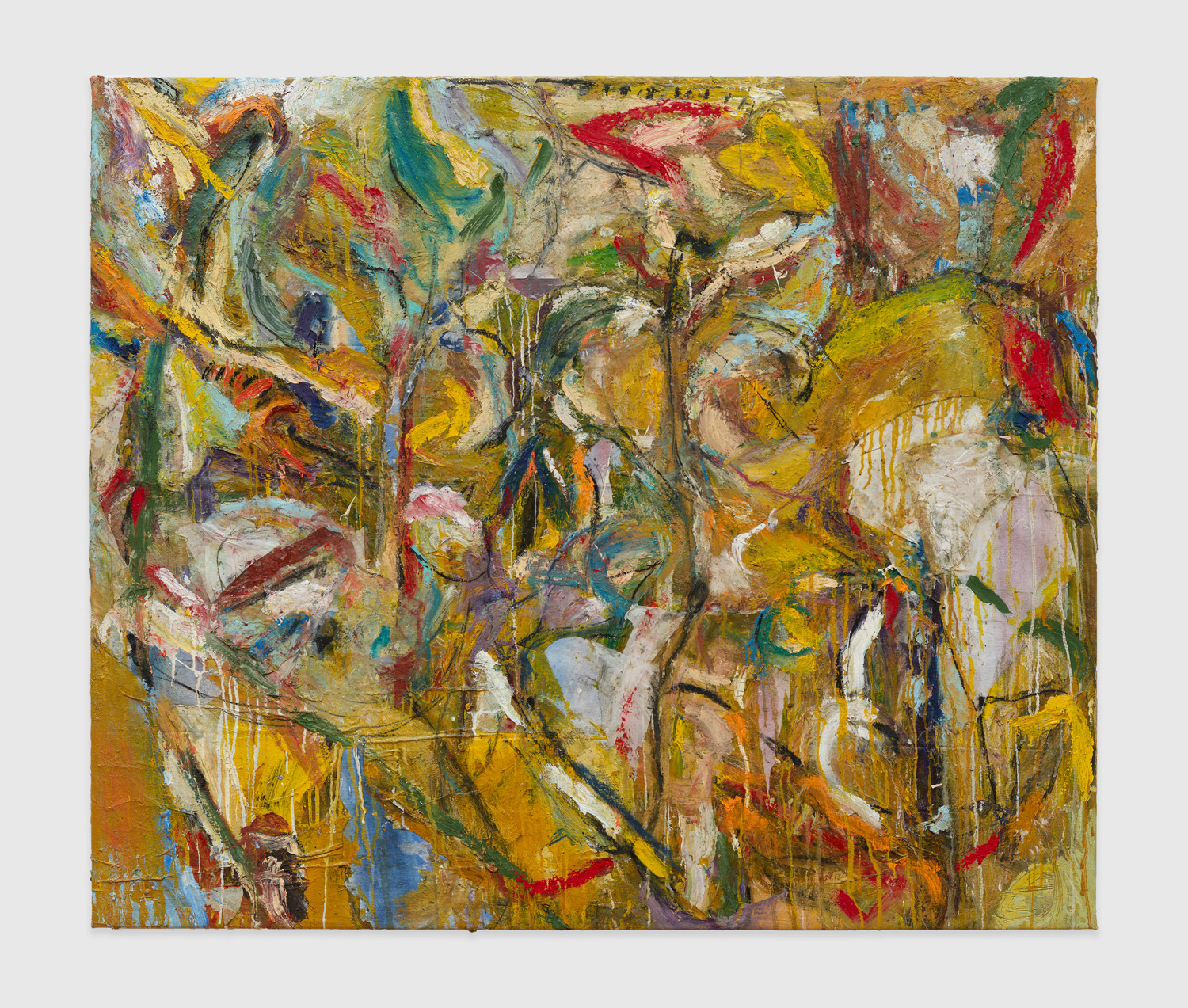
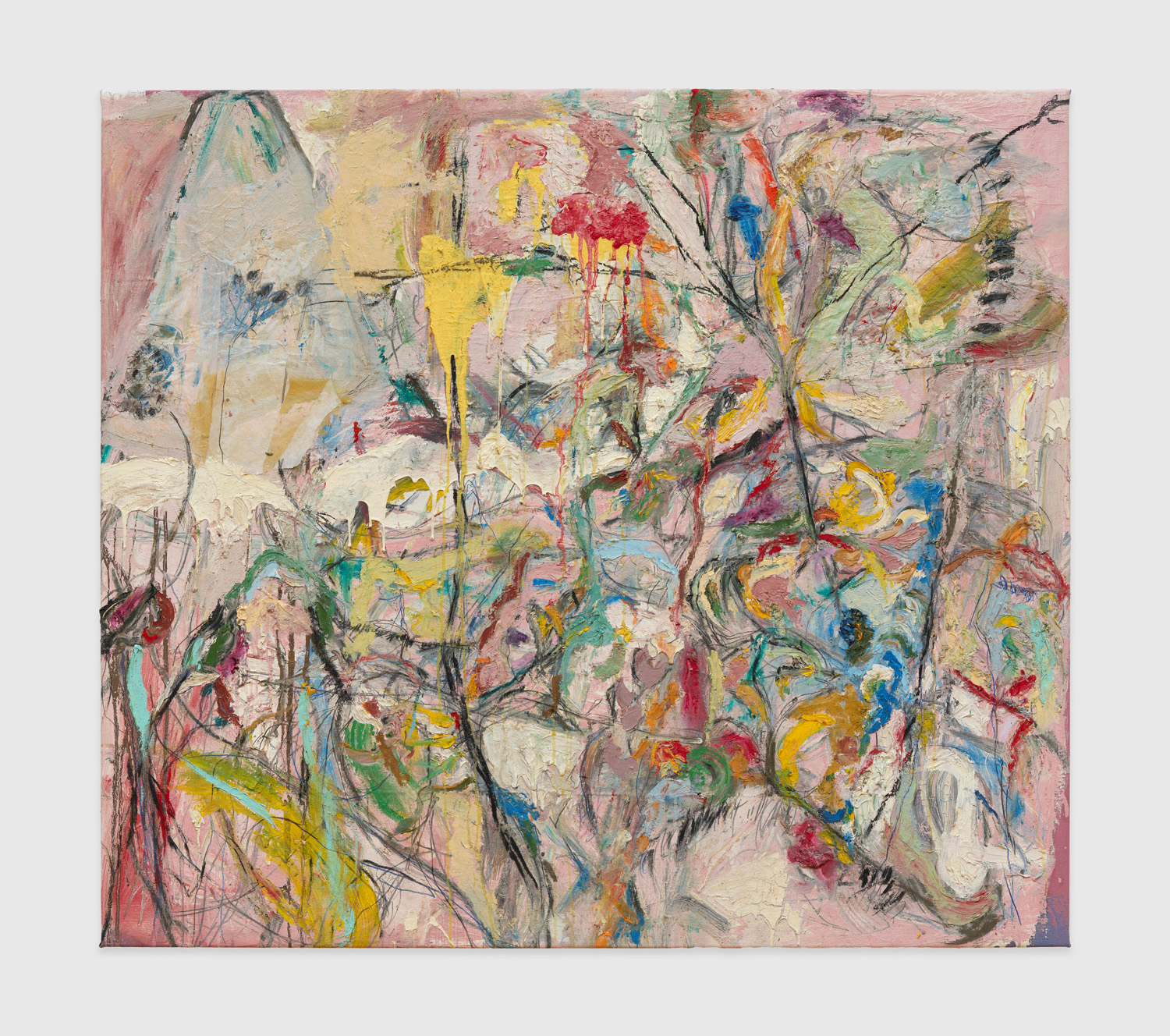
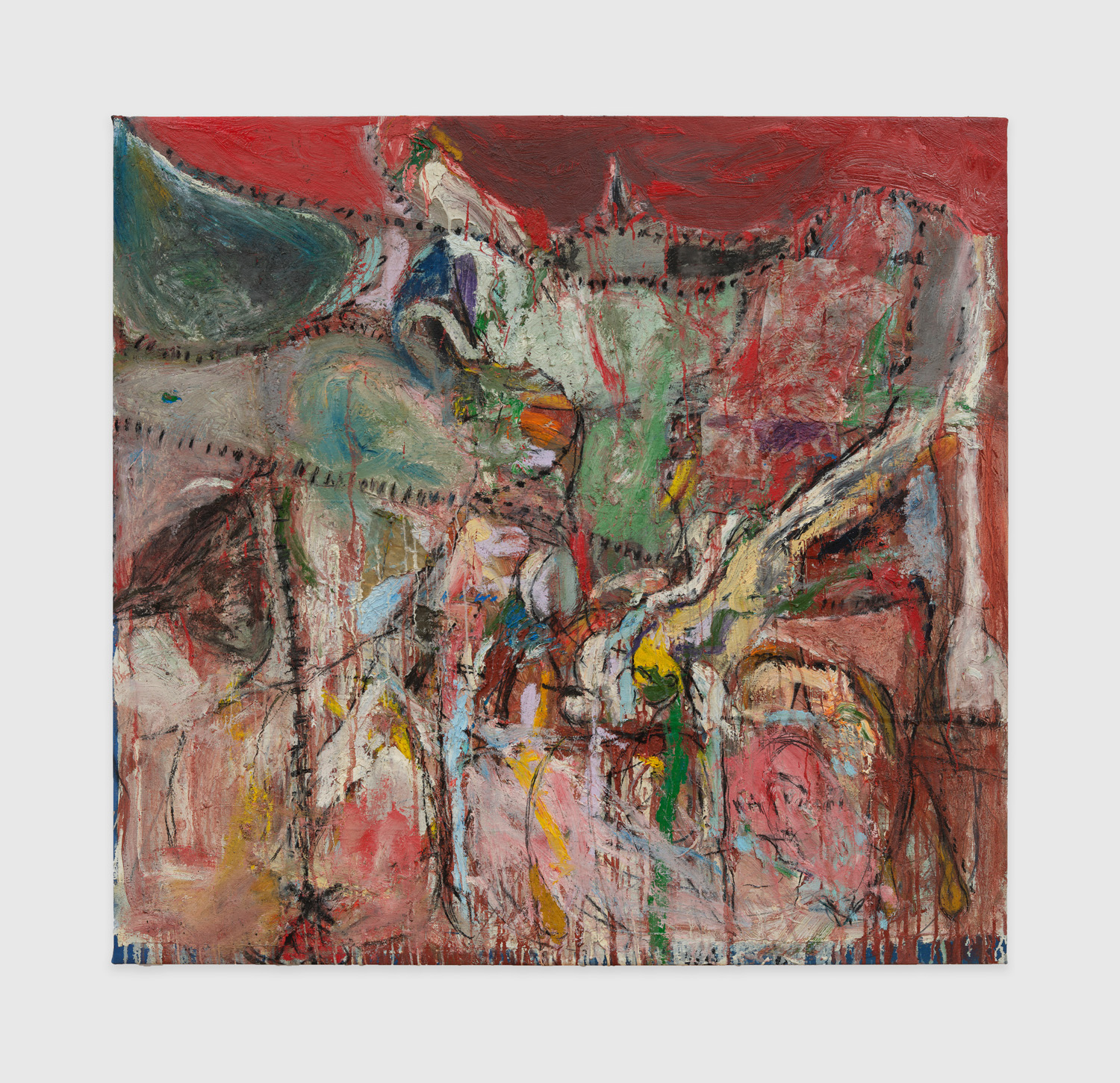
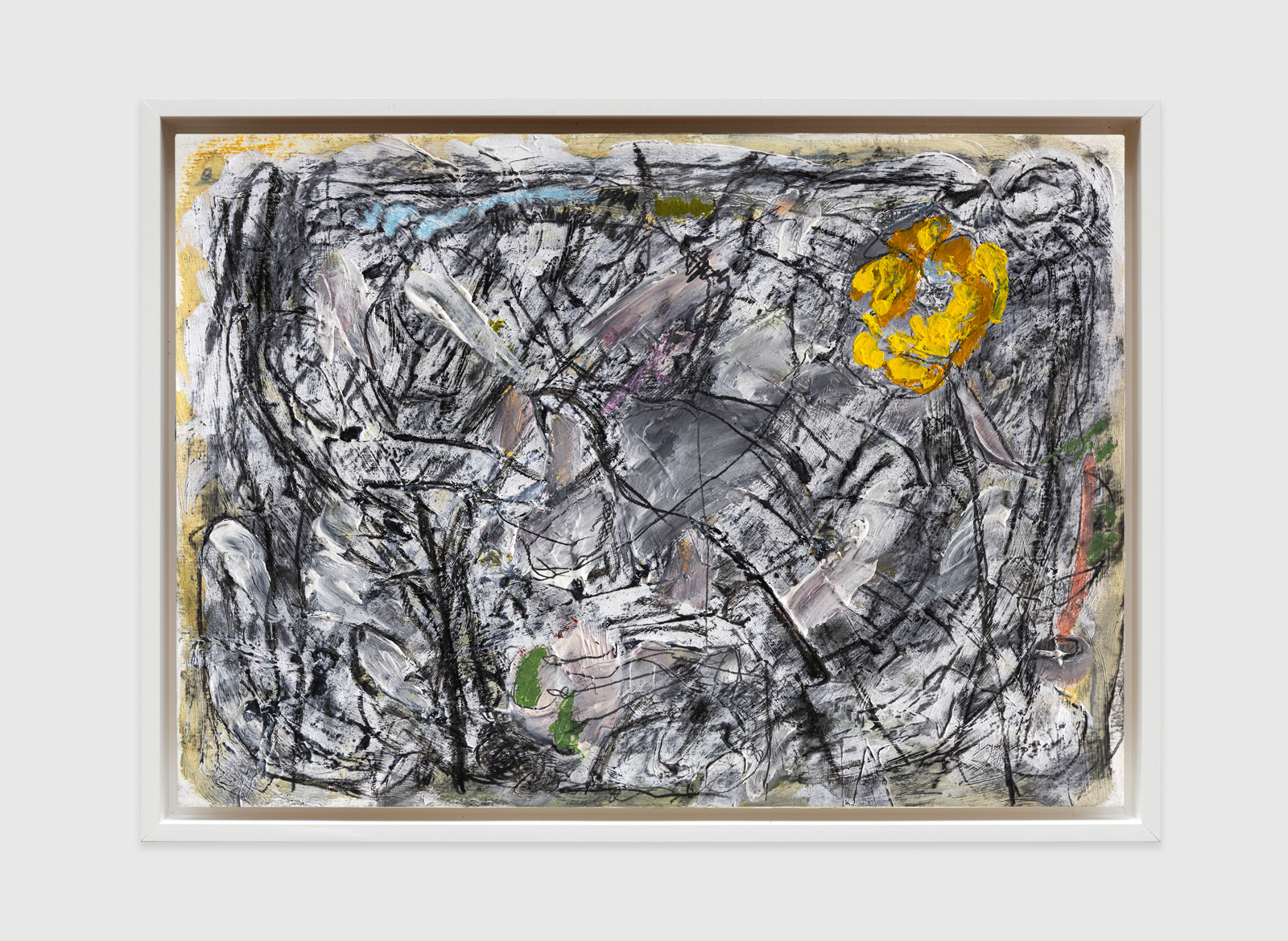
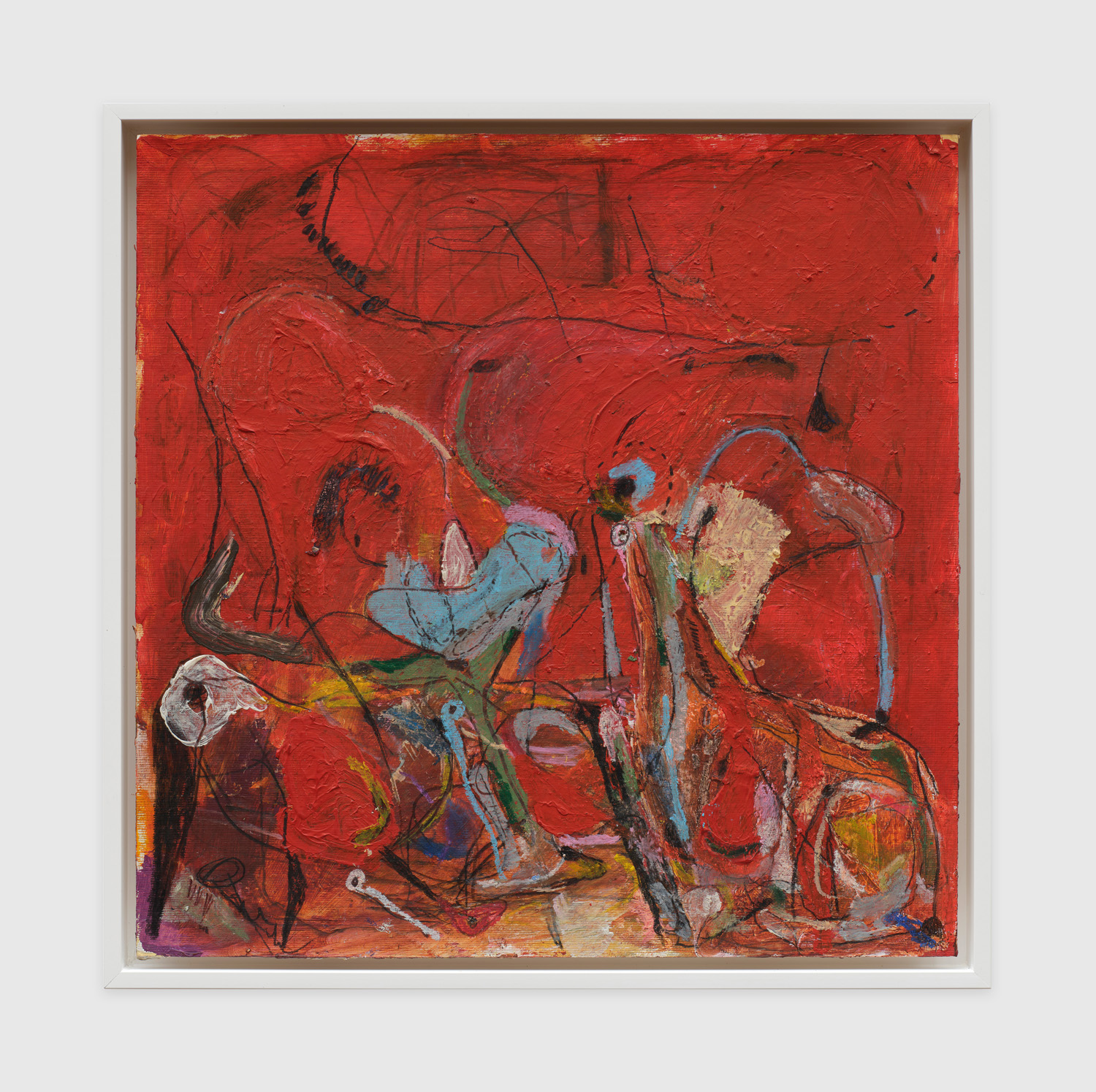
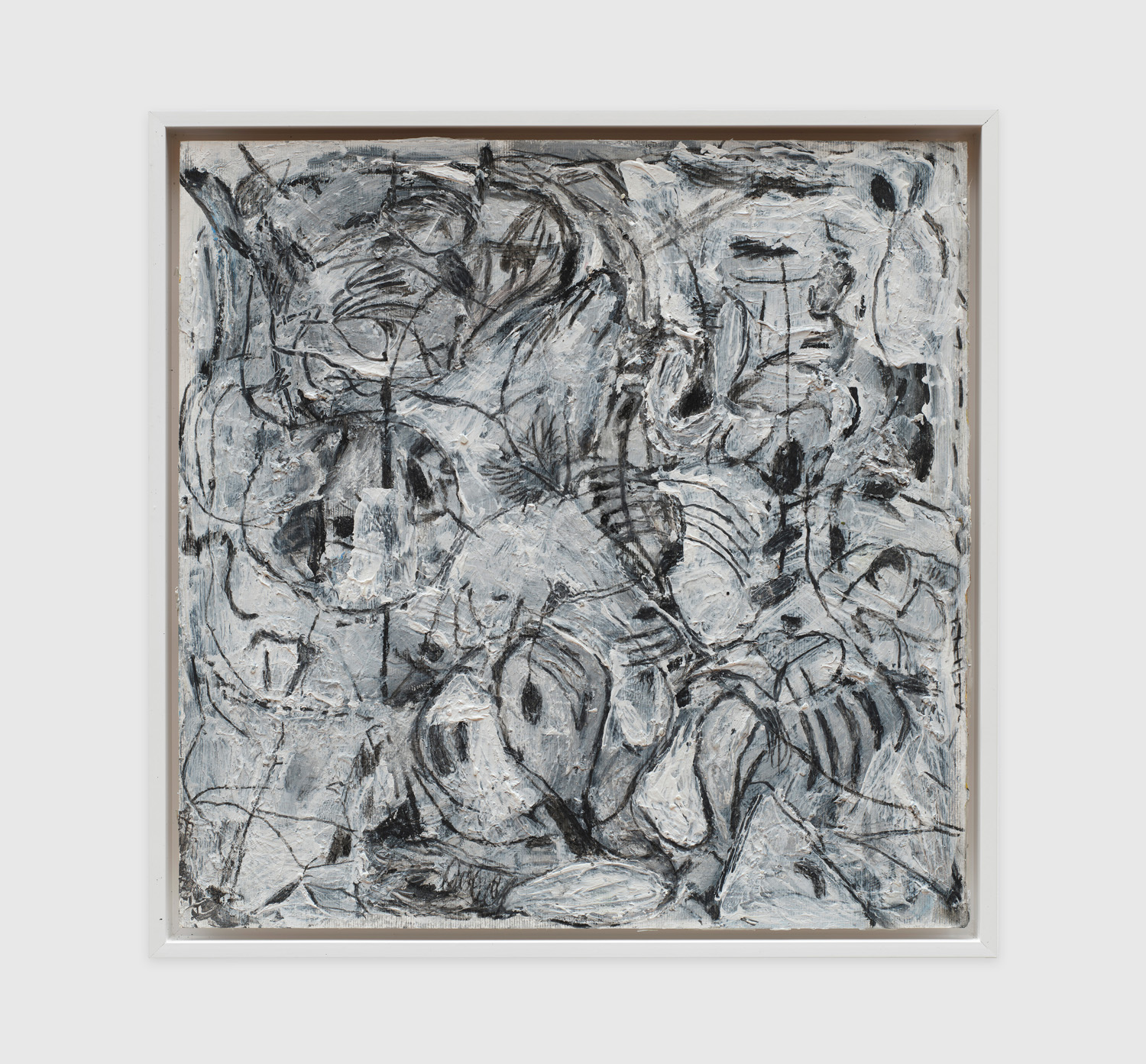
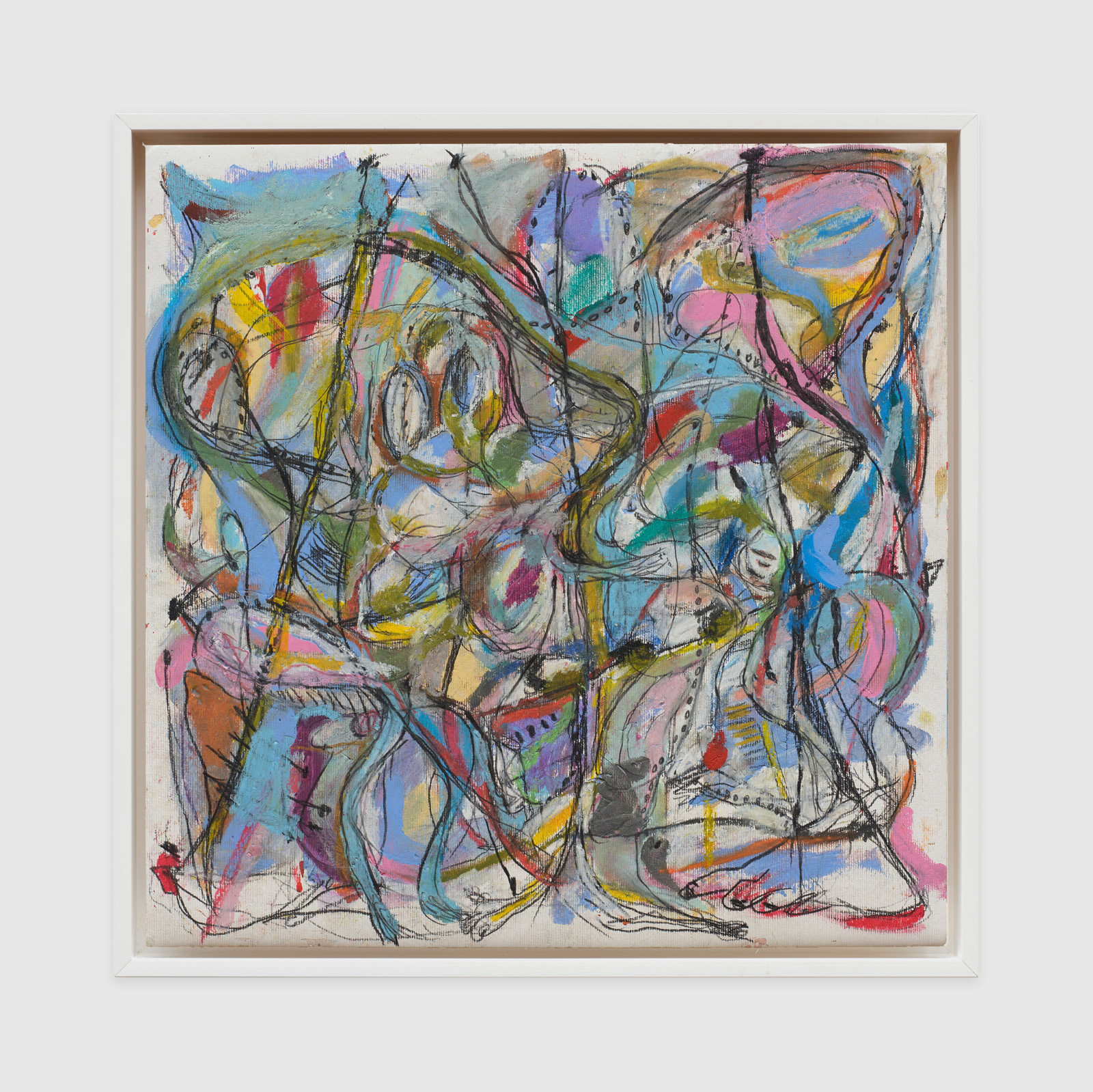
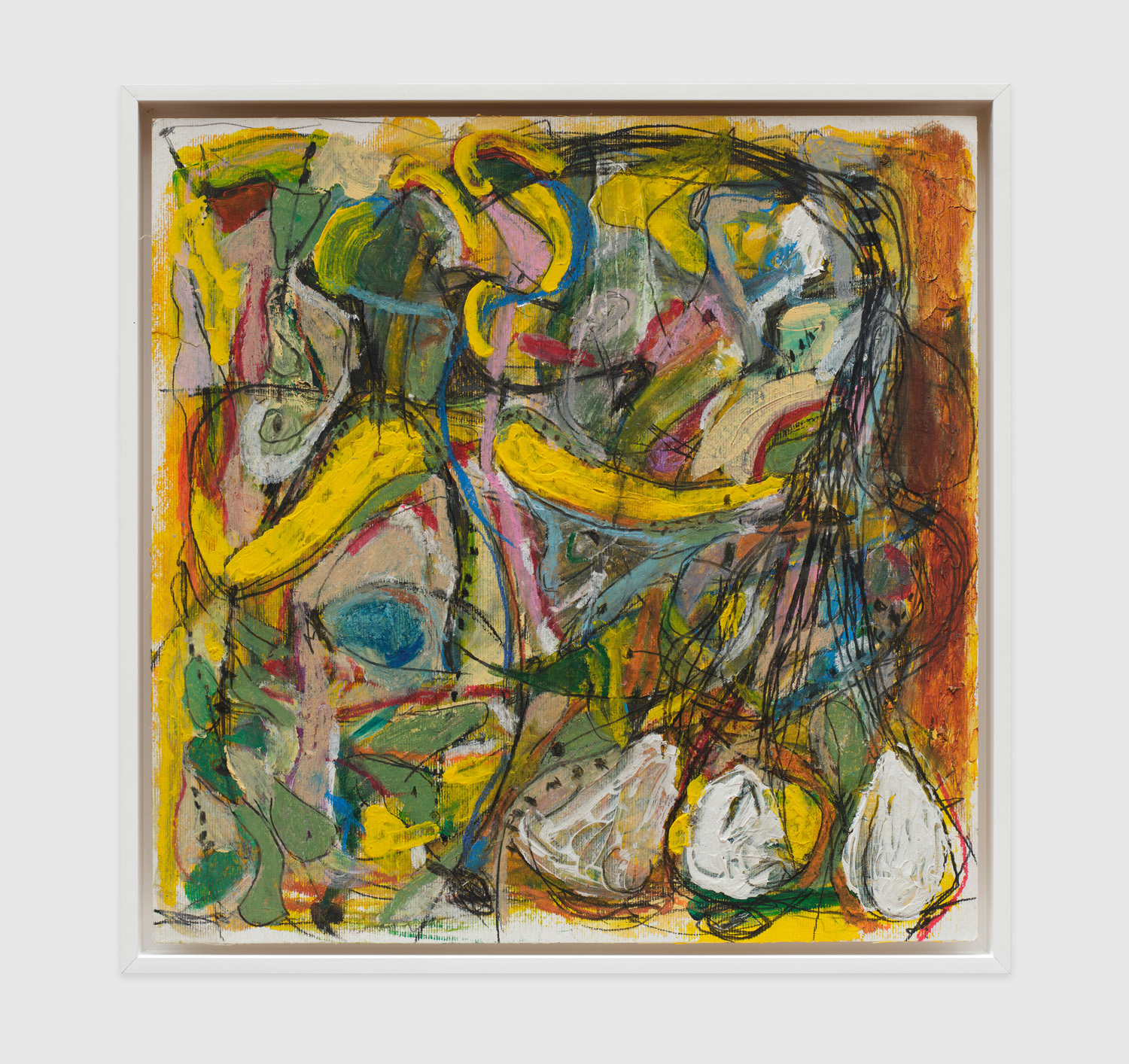
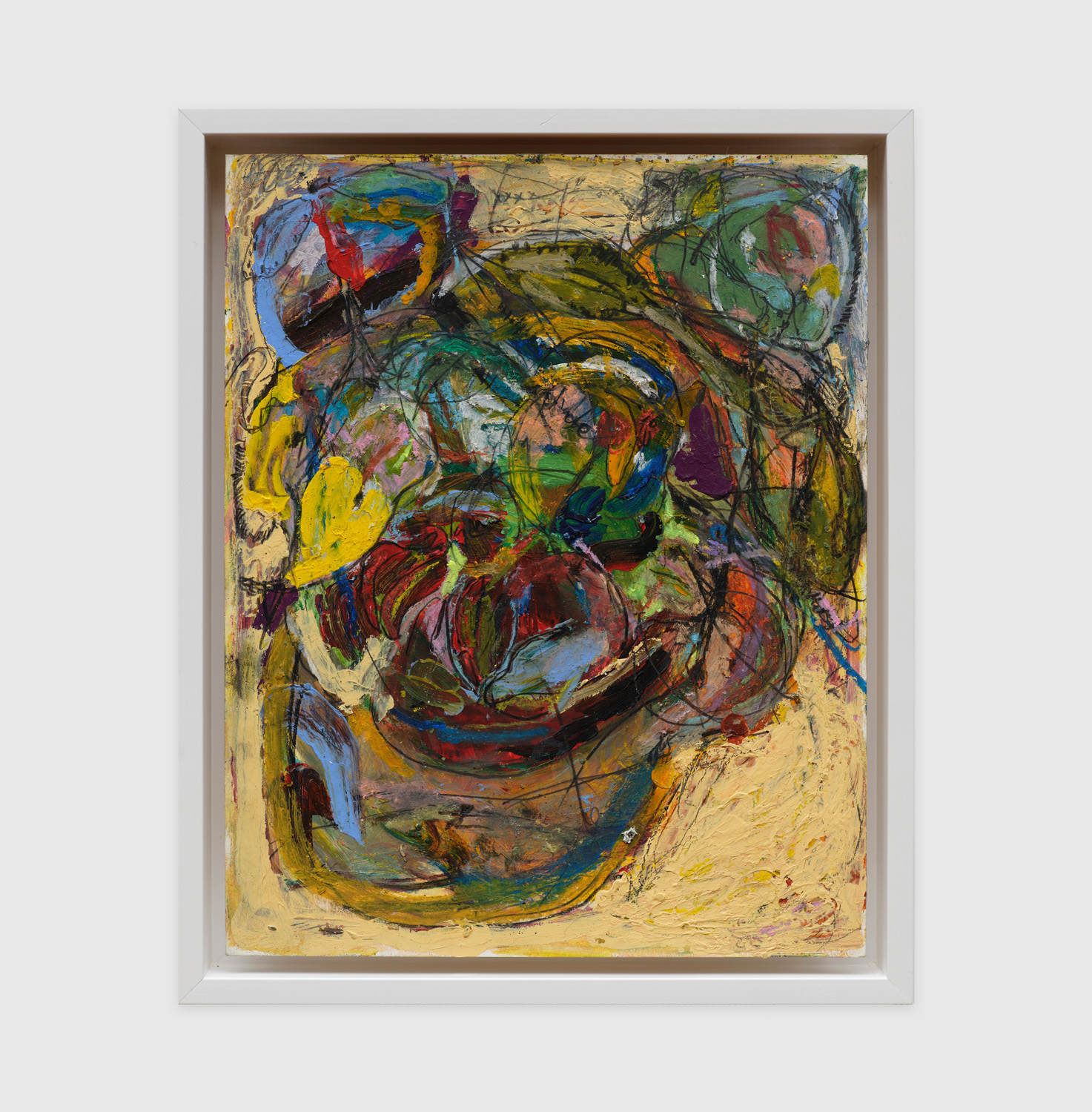
Lu Ferreira attends to the residues of gesture as a site of historical metabolism. Through a process the artist calls “washing,” pigment is layered onto canvas and then worked against itself with toothbrushes, broom fibers, and scraps of rubber, scrubbed, soaked, and wrung until the accumulated matter turns translucent. “Material is a problem, not a solution,” Ferreira has said, and his surfaces bear out the proposition: what remains is neither image nor erasure but a luminous sediment, the record of a hand that has labored over the surface and, in laboring, refused it. Ferreira’s practice insists on slowness and vulnerability as aesthetic propositions, wagering that the patient and the unfinished retain a critical charge that speed and legibility have long since surrendered.
The vocabulary of washing is not metaphorical alone. Ferreira draws from the vernacular labor of laundering, of cloth beaten against stone, wrung and hung and beaten again, to locate painting within a genealogy of embodied, feminized, and racialized work whose repetitions have quietly sustained the world. These are gestures that metabolize rather than cite history; the colonial residues embedded in pigment, canvas, and the very economy of images are not illustrated by the work but passed through it, interrogated at the level of matter. In this sense, Ferreira’s surfaces hold power the way cloth holds water: provisionally, porously, with the promise of release.
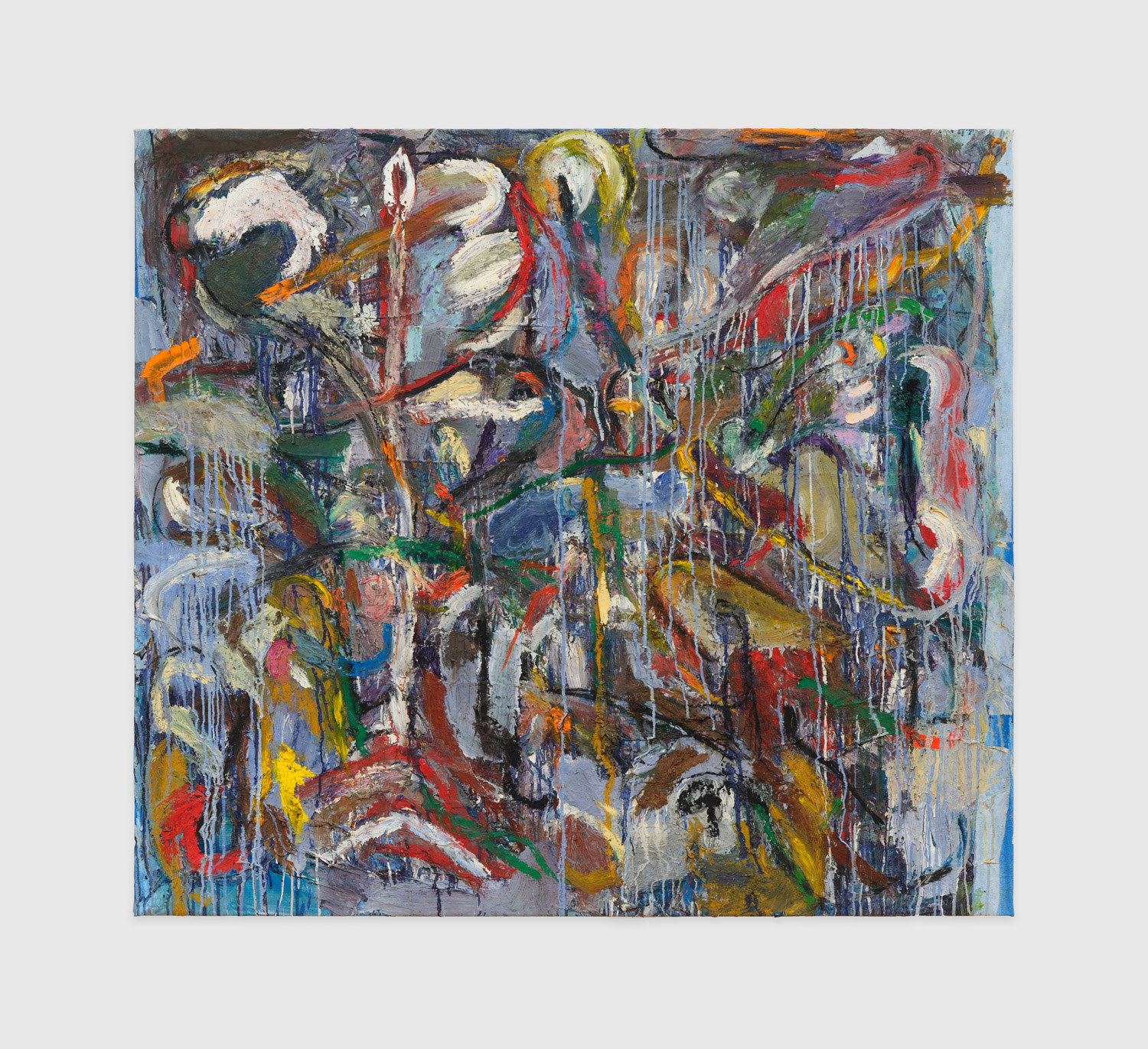
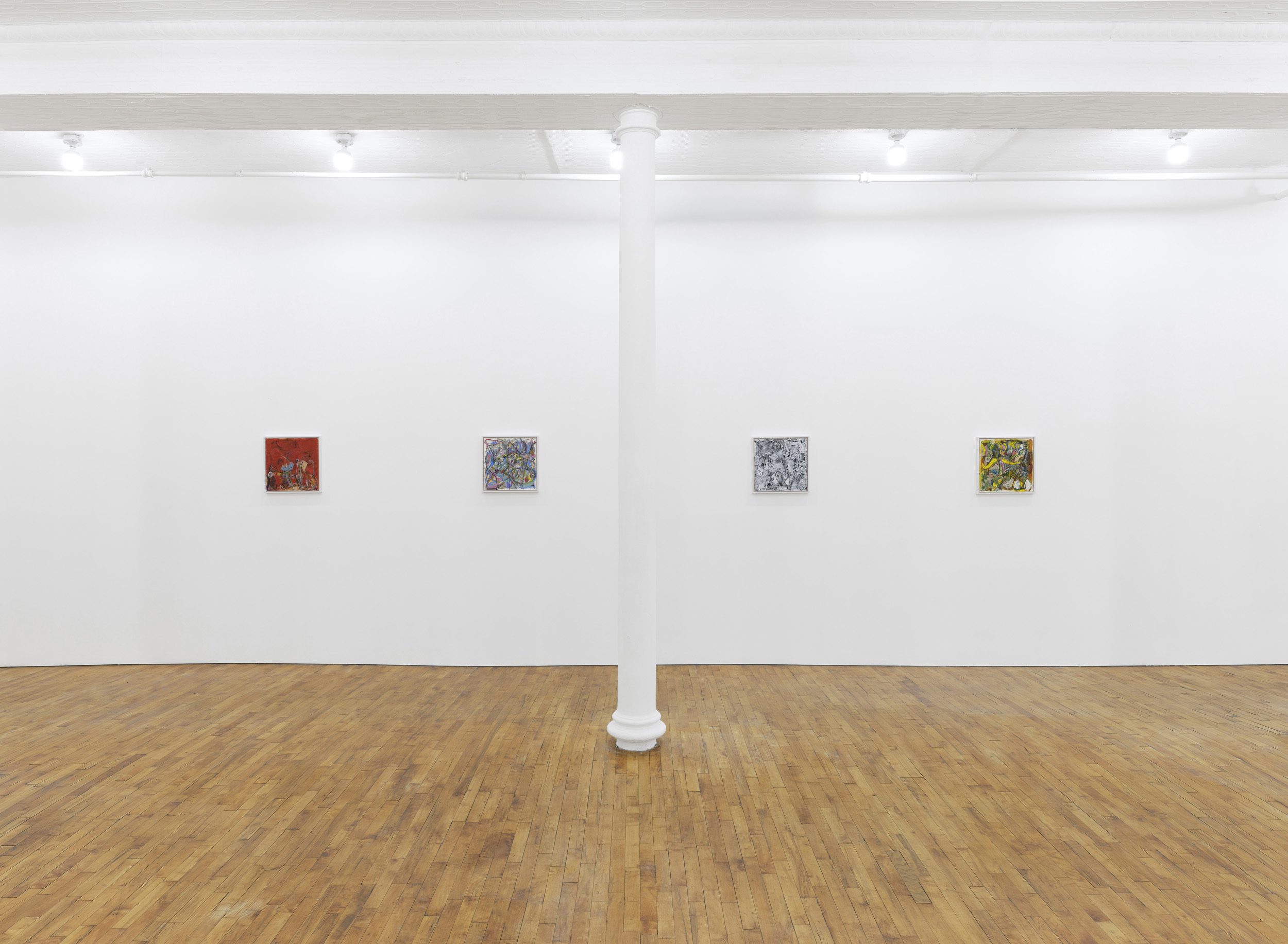
What emerges from this labor carries its own spatial logic. The compositions generate an ambiguous field in which forms appear at once suspended and in motion, biomorphic and unfixed, rooted in the narratives of Ferreira’s life as a Black northeastern Brazilian man. Raised in Pernambuco, in close proximity to Afro-Brazilian spiritual traditions that shaped his visual imagination from childhood, even as they sat outside his family’s religious practice, Ferreira draws on inherited imagery absorbed through sight and sound rather than instruction. In Sem título, blue rivulets of pigment fall in long vertical streams across a field of floating forms, the surface bearing the memory of every layer applied and washed away. Revelation and concealment operate here not as opposites but as a single rhythm, each gesture both a marking and an unmarking.
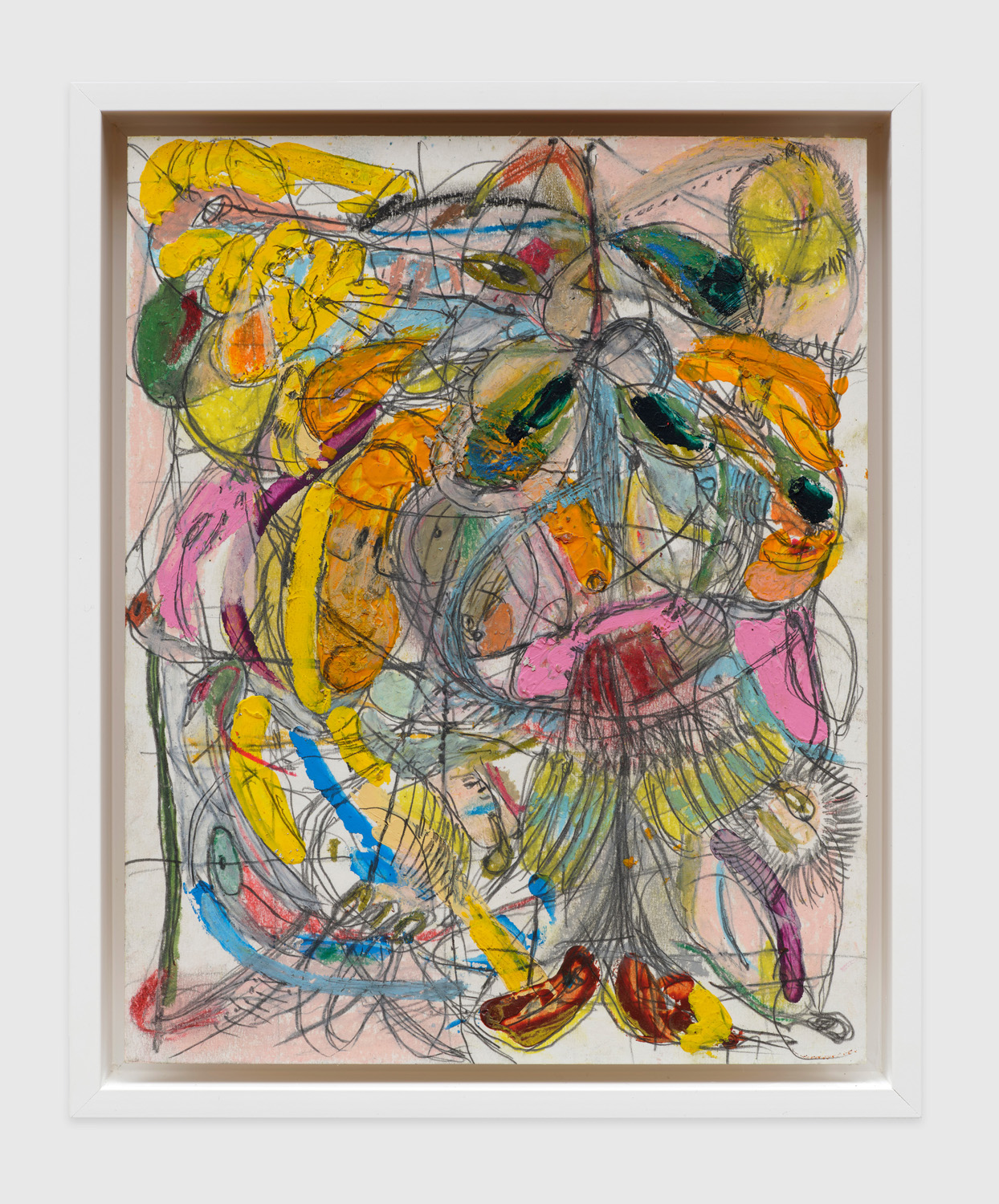
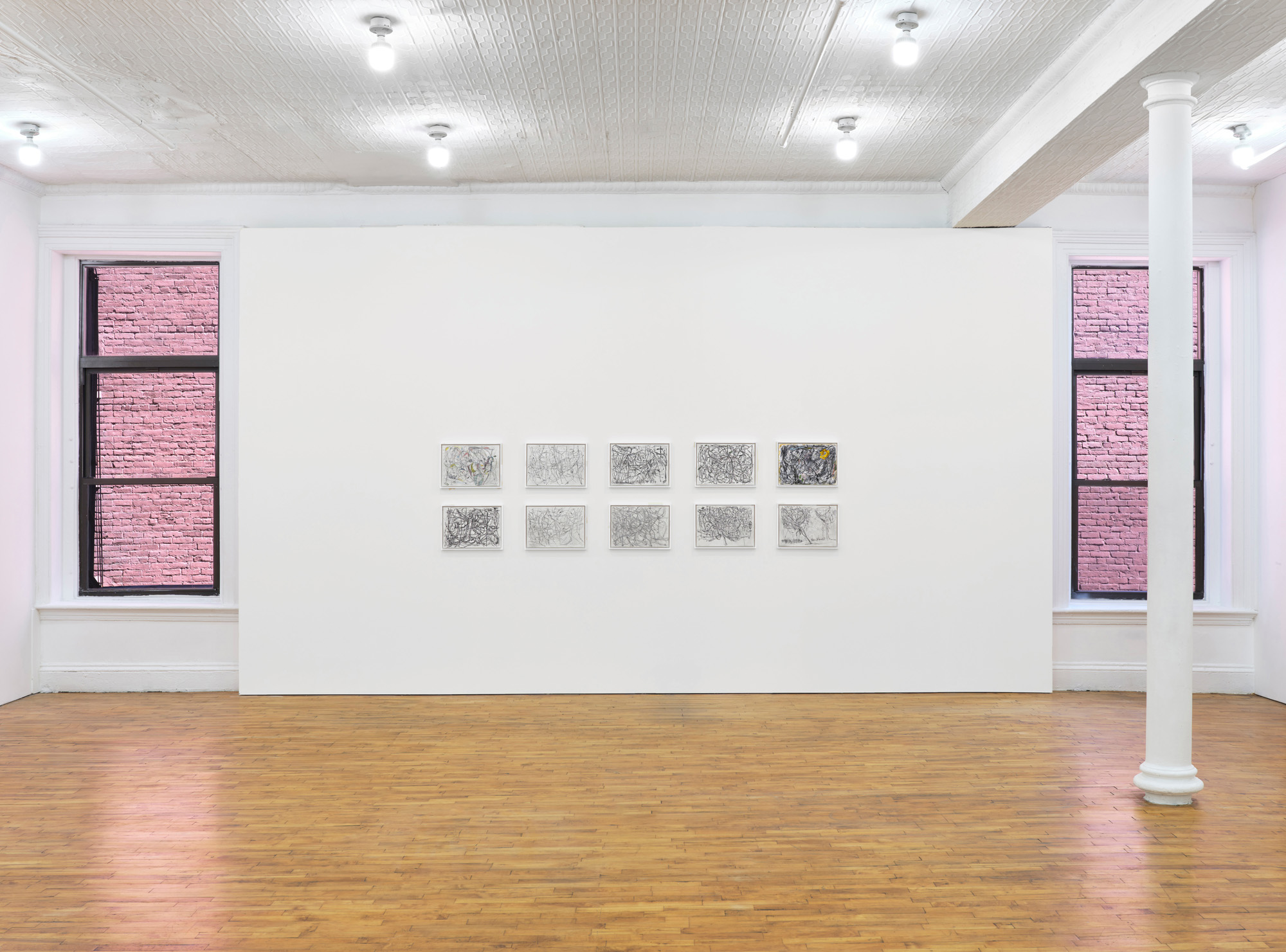
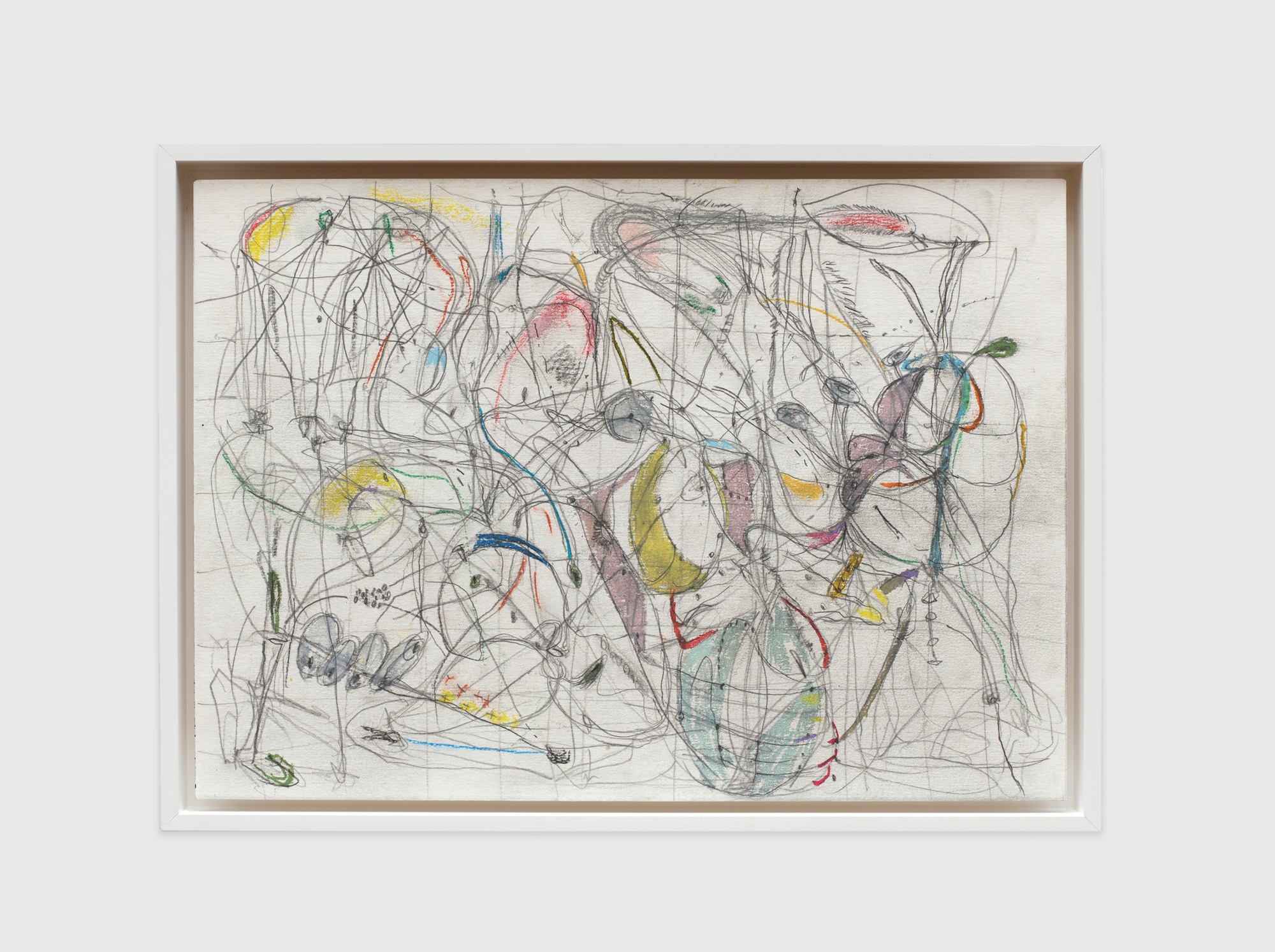
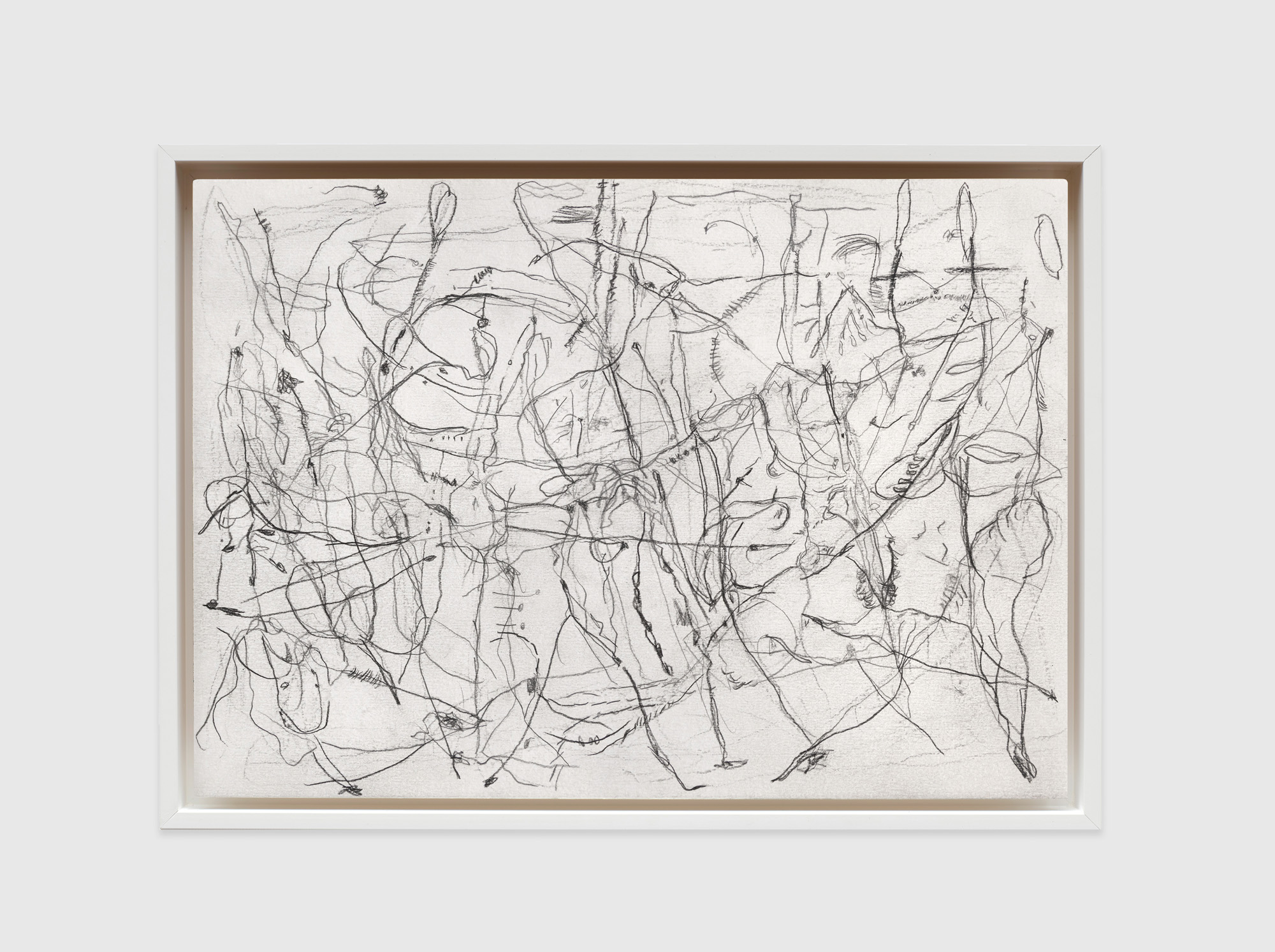
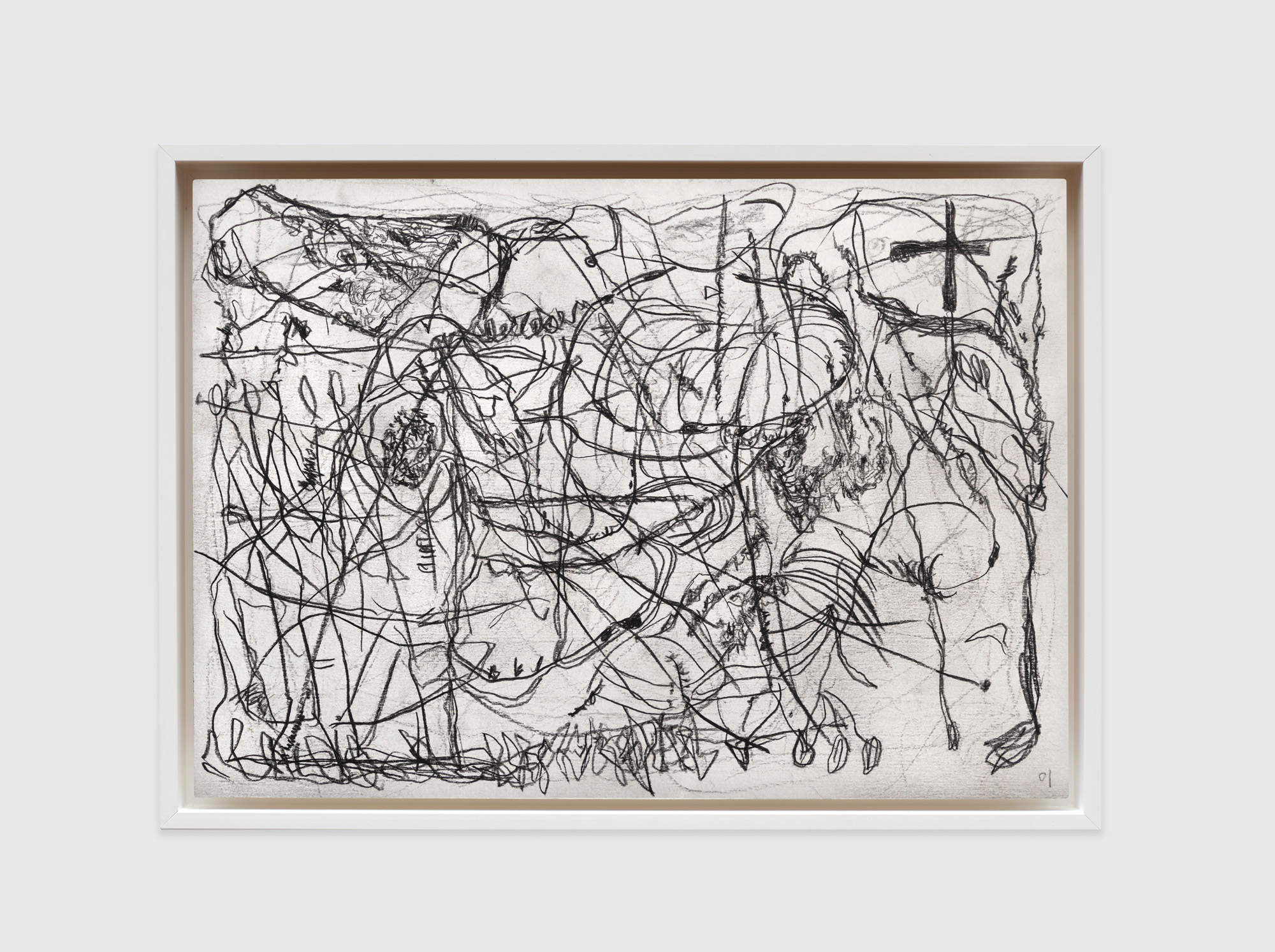
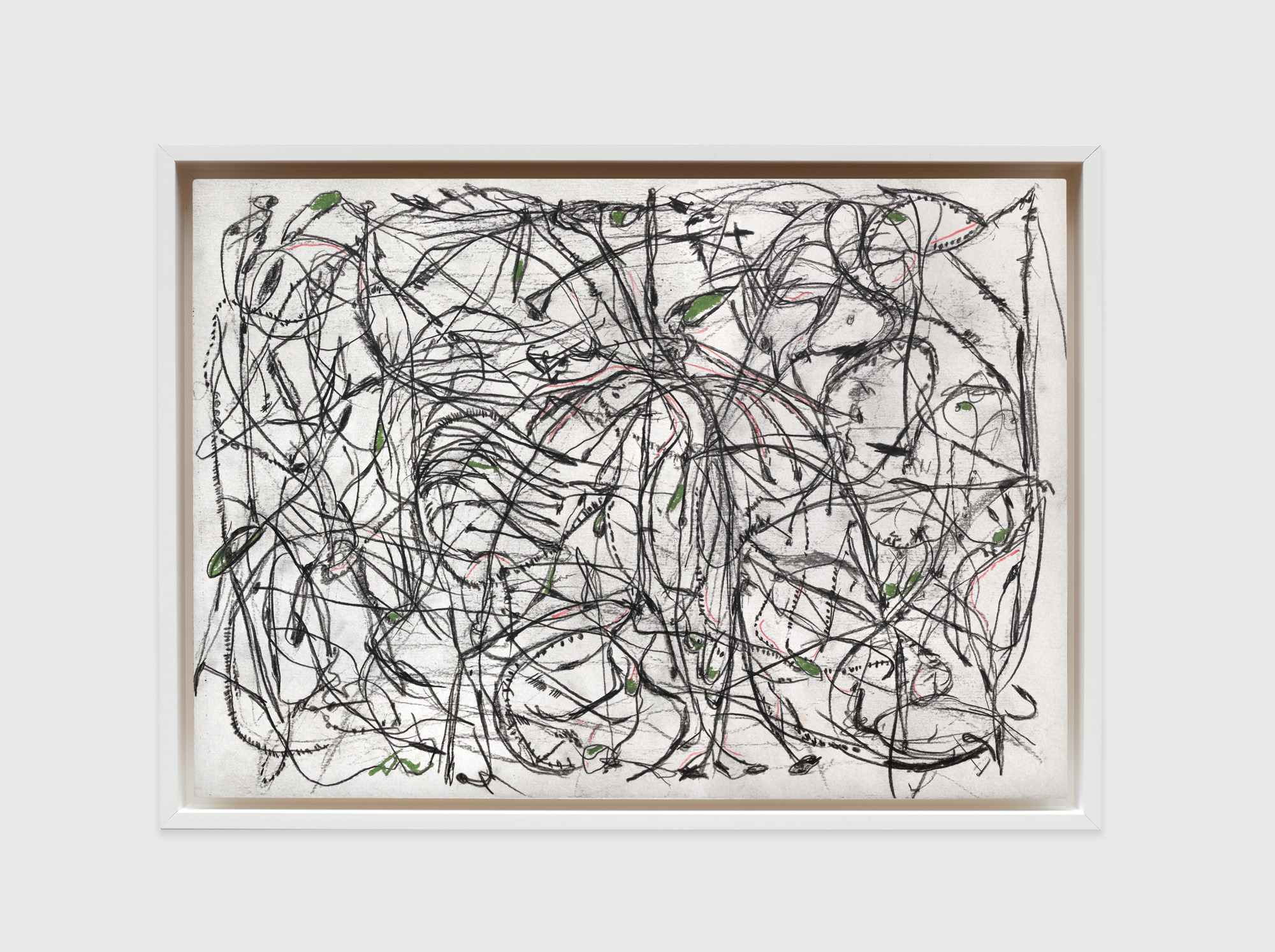
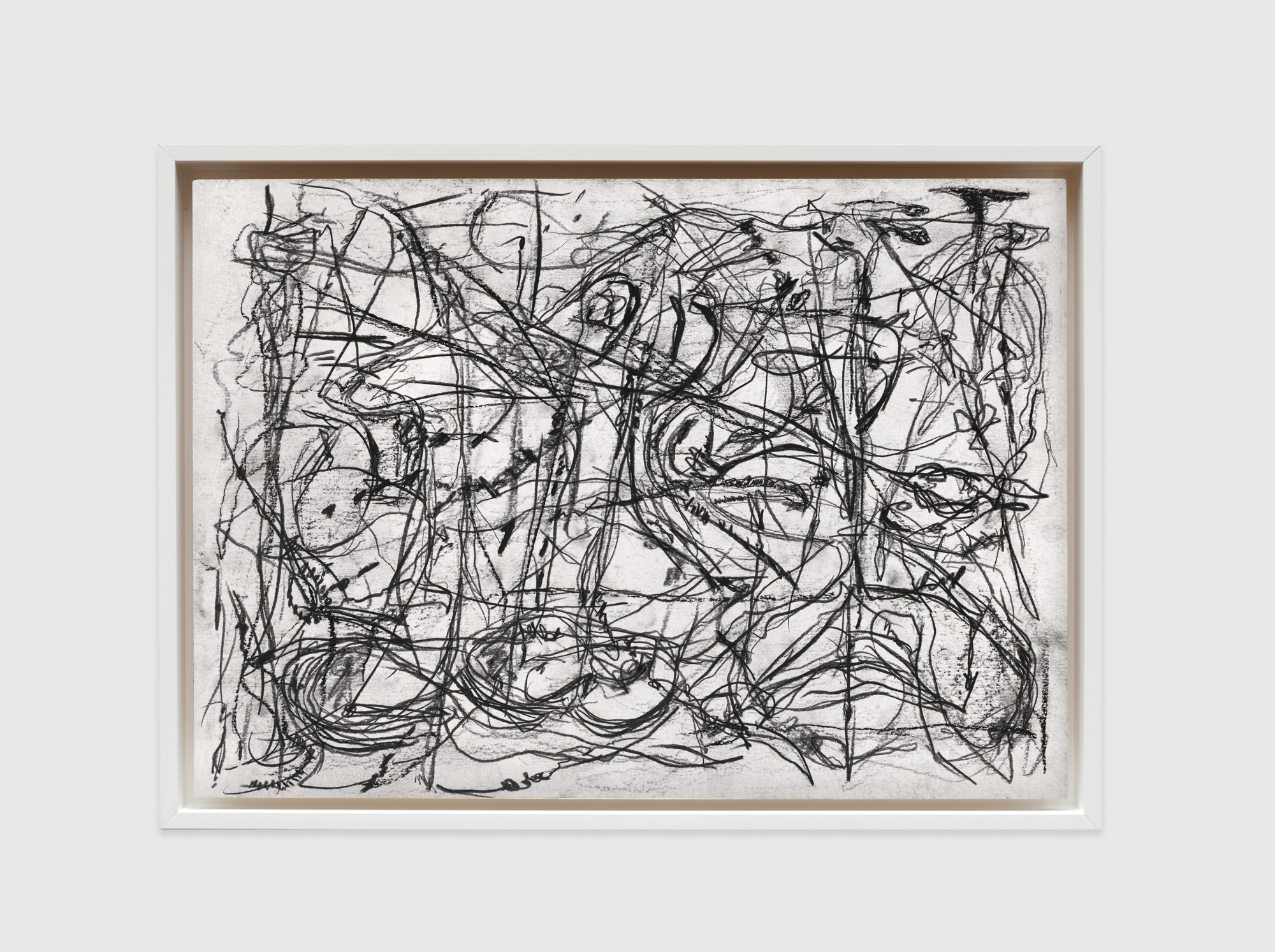
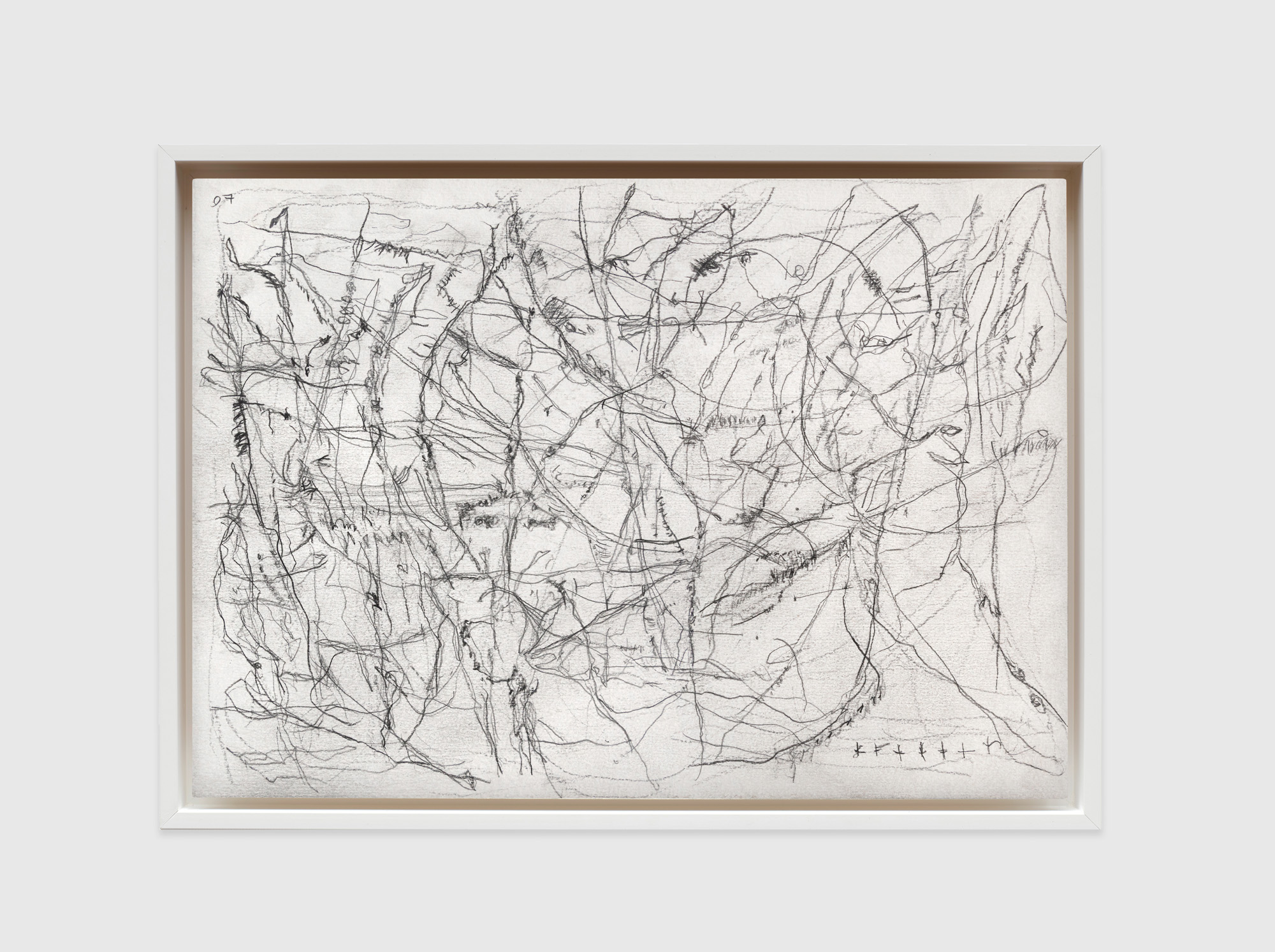
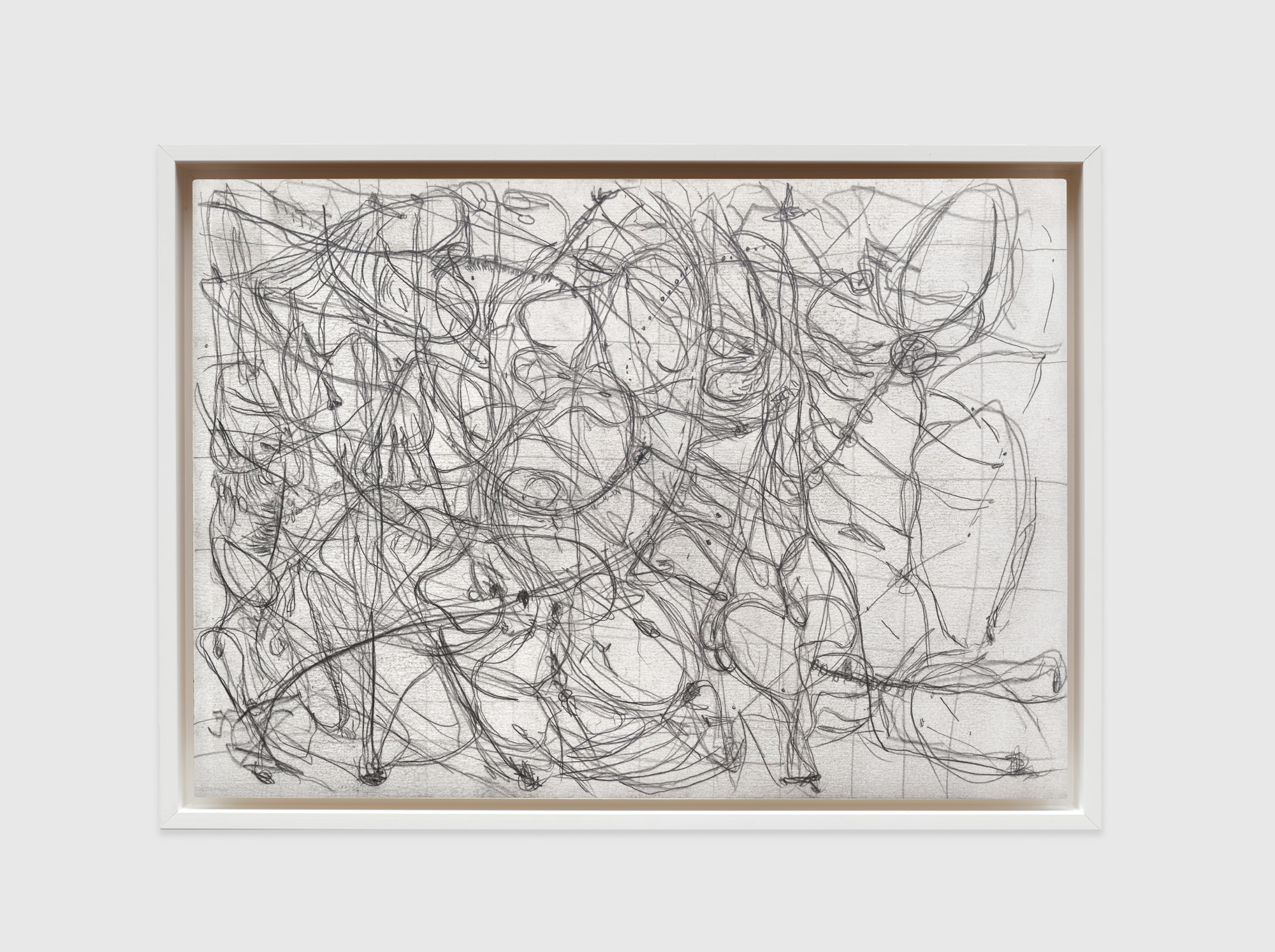
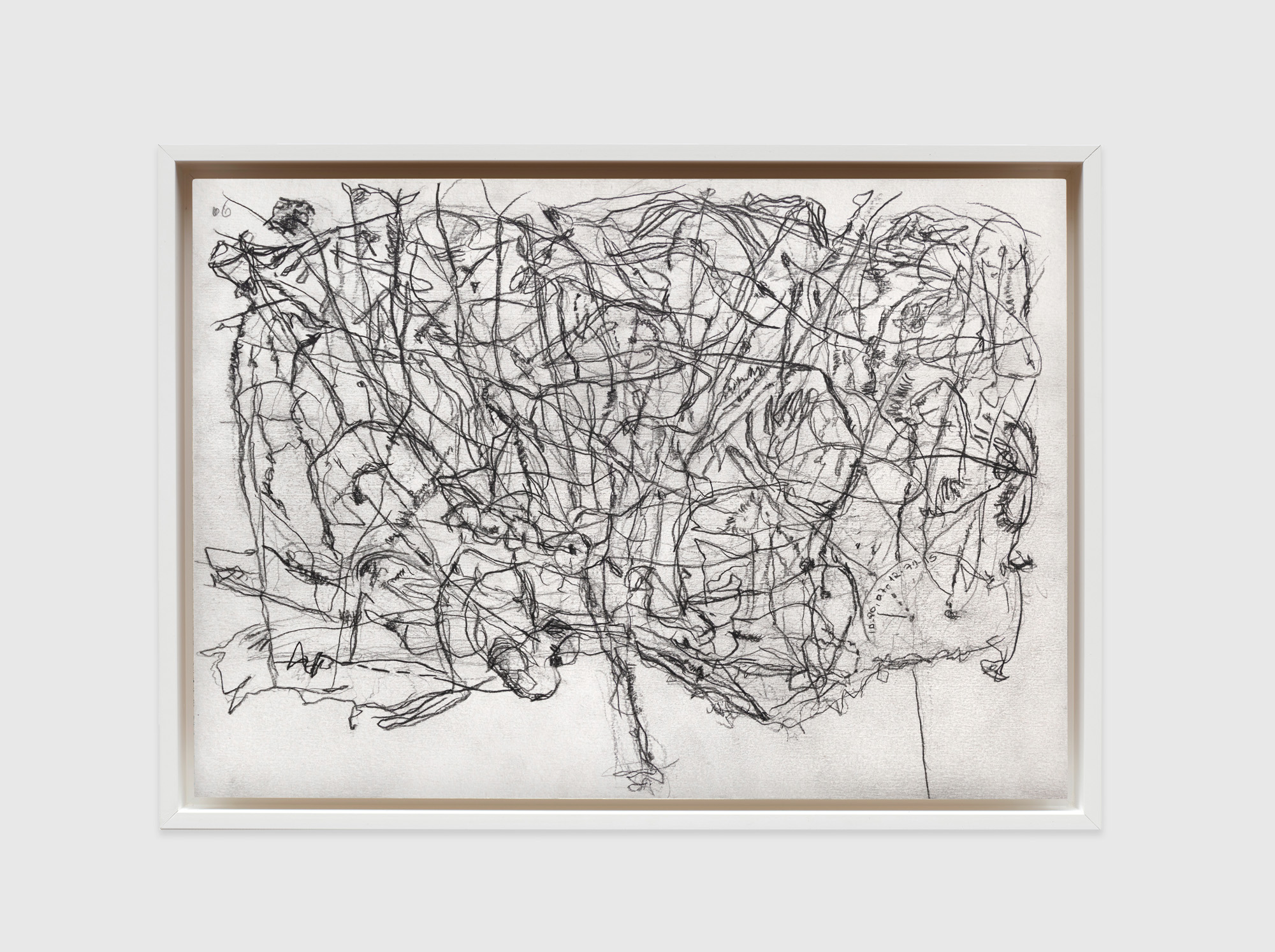
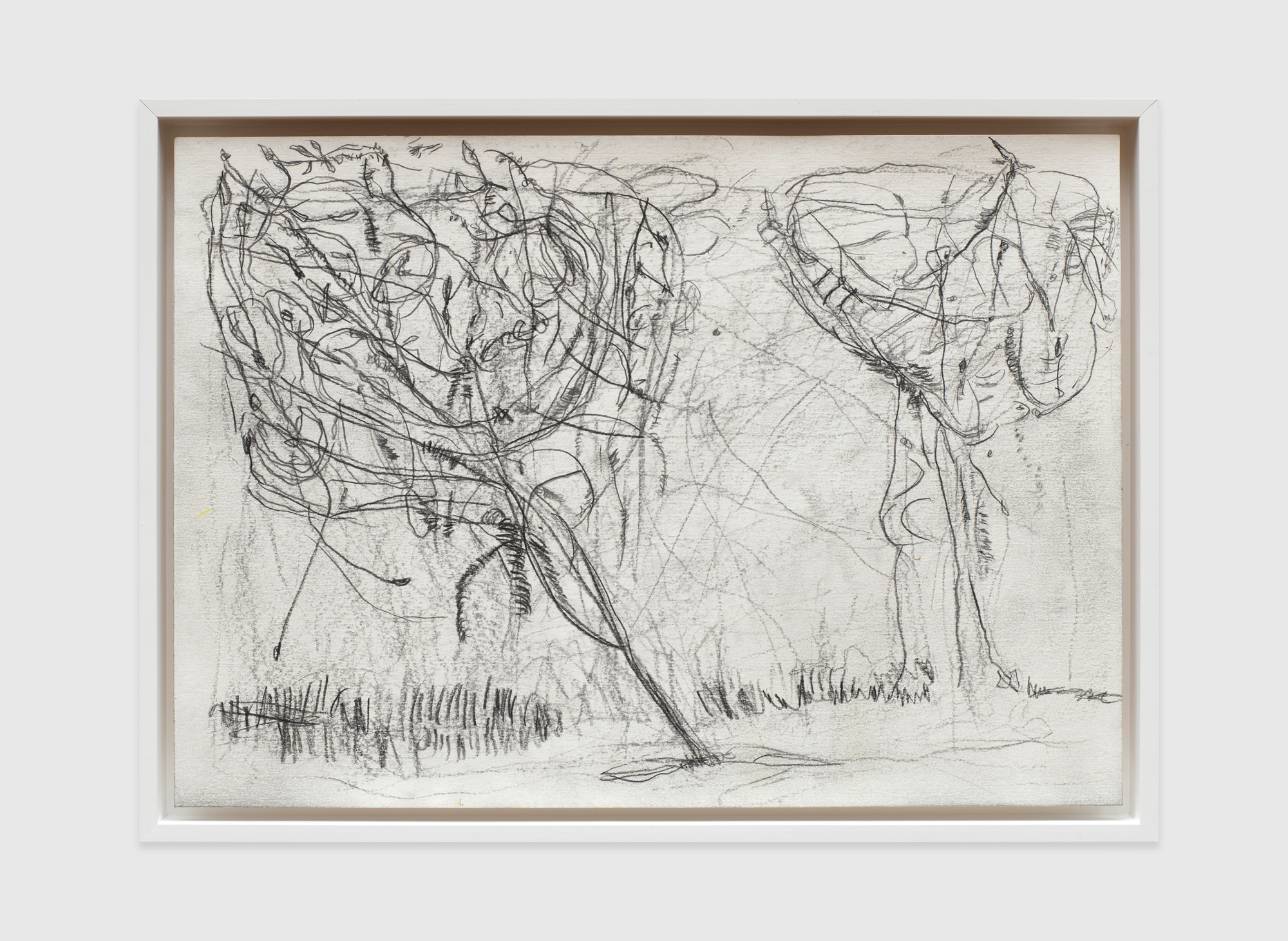
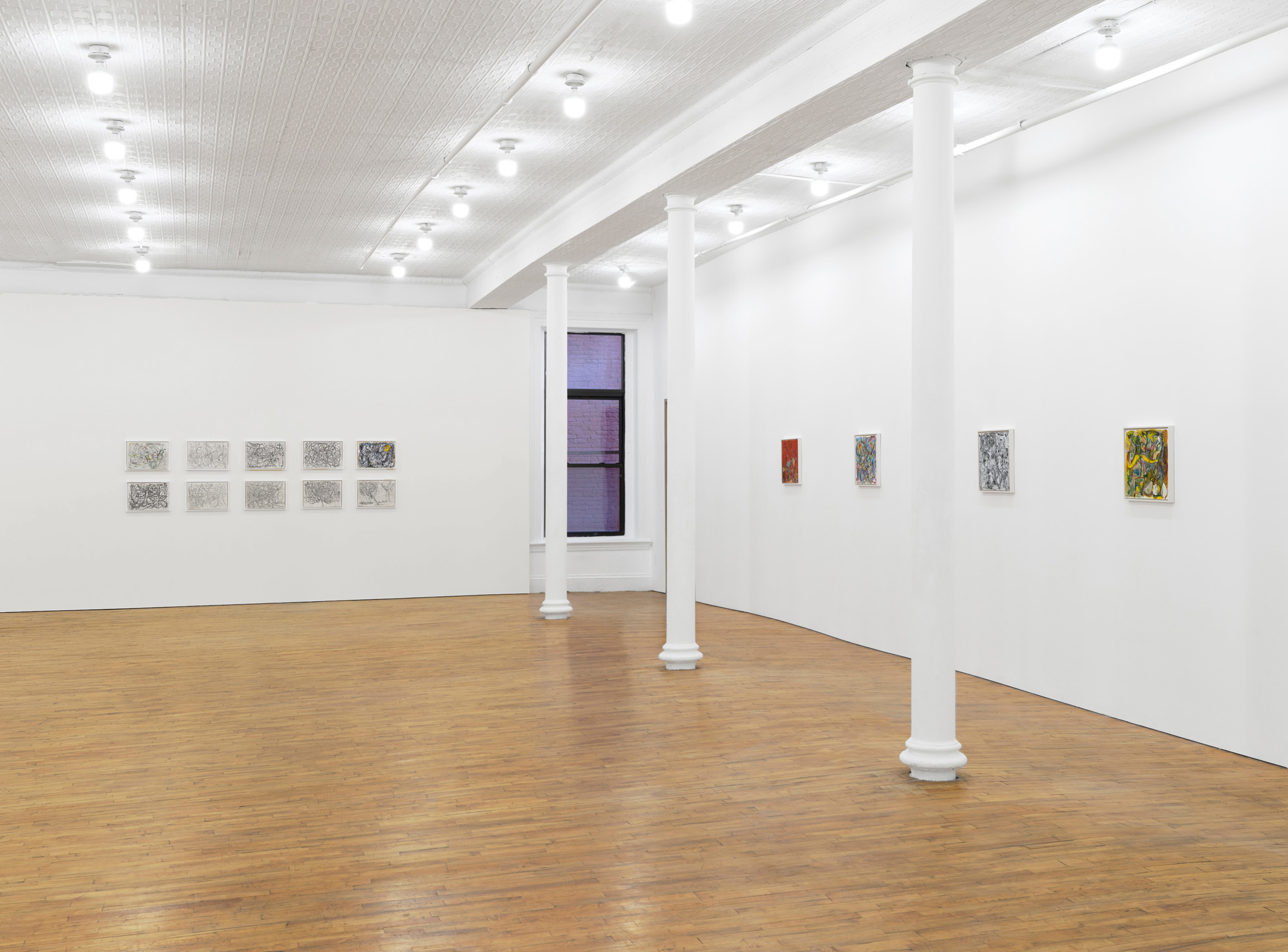
Alongside the paintings, the exhibition includes a suite of charcoal and pencil drawings on paper made during Ferreira’s travels through the sertão of Ceará, the hot, semi-arid interior of northeastern Brazil, where thorny scrubland stretches across a sparsely populated terrain shaped as much by absence as by presence. In the Brazilian cultural imaginary, the sertão has long carried a weight exceeding geography — a space where endurance is the primary condition, where the relationship between body, land, and time operates outside the rhythms of modernity. Ferreira enters this terrain not as a documentarian but as someone for whom the landscape is already interior. In Deep into the Backlands, the landscape is reduced to a dense tangle of charcoal lines, the scrub rendered as pure mark. Where the paintings pulse with a tropicalia density, the drawings distill terrain to its most elemental inscriptions. Together, painting and drawing form a single meditation on what the land holds, what the body remembers, and what surfaces only through the patient labor of return.